“Brightmont gave my daughter
confidence and helped her love learning
again.”
– Parent of 8th grader
400 E. Main St. Barrington, IL 60010
1-888-521-0887
inquiry@brightmontacademy.com
Brightmont Academy is known for serving a very diverse student population. The school’s unique one-to-one approach often makes sense for kids diagnosed with anxiety and/or a myriad of learning differences, for those deemed gifted or twice-exceptional, for star athletes, busy performers, and homeschoolers—the list goes on.
This means that Brightmont is also used to walking alongside students who recently experienced or may still be going through some really tough stuff. Expulsions from other schools, addiction recovery, mental health crises and serious physical illness. Though some families may feel inclined to retreat from all the pressures of the world during hard times, there’s one routine that often proves helpful in boosting attitude and confidence: school and learning. In fact, some experts suggest that prioritizing education during difficult seasons serves as a balm for many kids and just what they need to move forward with positivity and hope. Here’s how…
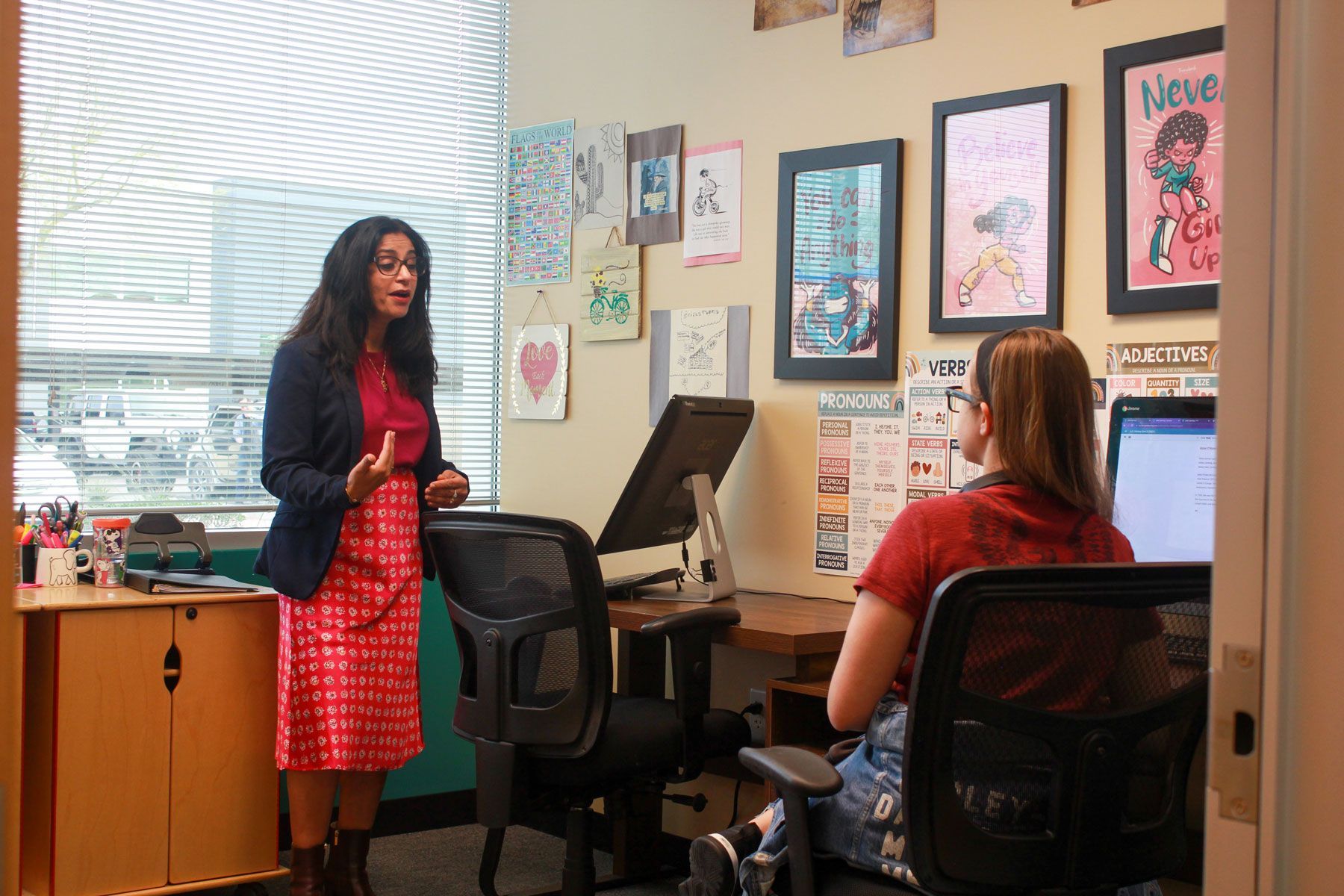
A worthwhile diversion
Crises can become all-consuming. Thoughts, conversations, appointments, activities, etc., can revolve around one thing and one thing only: the serious matter at hand. Thus, a diversion like school can provide not only an escape, but also a sense of purpose and accomplishment when the rest of life feels dark and worrisome.
Of course, this doesn’t mean that throwing children back into environments that may have contributed to their problems is a good idea. This is one of the primary reasons why Brightmont exists: to offer a quality, comprehensive, rigorous education without the destructive social complexities and other distractions common to other schools. Because of Brightmont’s unique one-to-one model, the school’s students naturally experience greater academic success, as well as greater empathy from teachers who know them well. Furthermore, given the more flexible and efficient schedule at Brightmont, students can better balance their attention to both therapy and schoolwork.
A place to practice new strategies
Through therapy and other clinical interventions, kids in crisis learn a lot of new strategies to help them regulate their emotions and control their behaviors. However, such strategies bear little value without opportunities to try them out.
Brightmont Academy is the perfect place to test-drive methods that help students overcome anxiety, attention deficits, negative self-talk, etc. There’s ample margin for students to take a moment to breathe, to make accommodations that increase their ability to focus, to evaluate and adjust their negative thoughts and comments, etc. And students don’t have to figure it all out on their own. At Brightmont, teachers make it a top priority to invest their sensitivity and know-how in helping students implement such strategies.
The benefits of curiosity
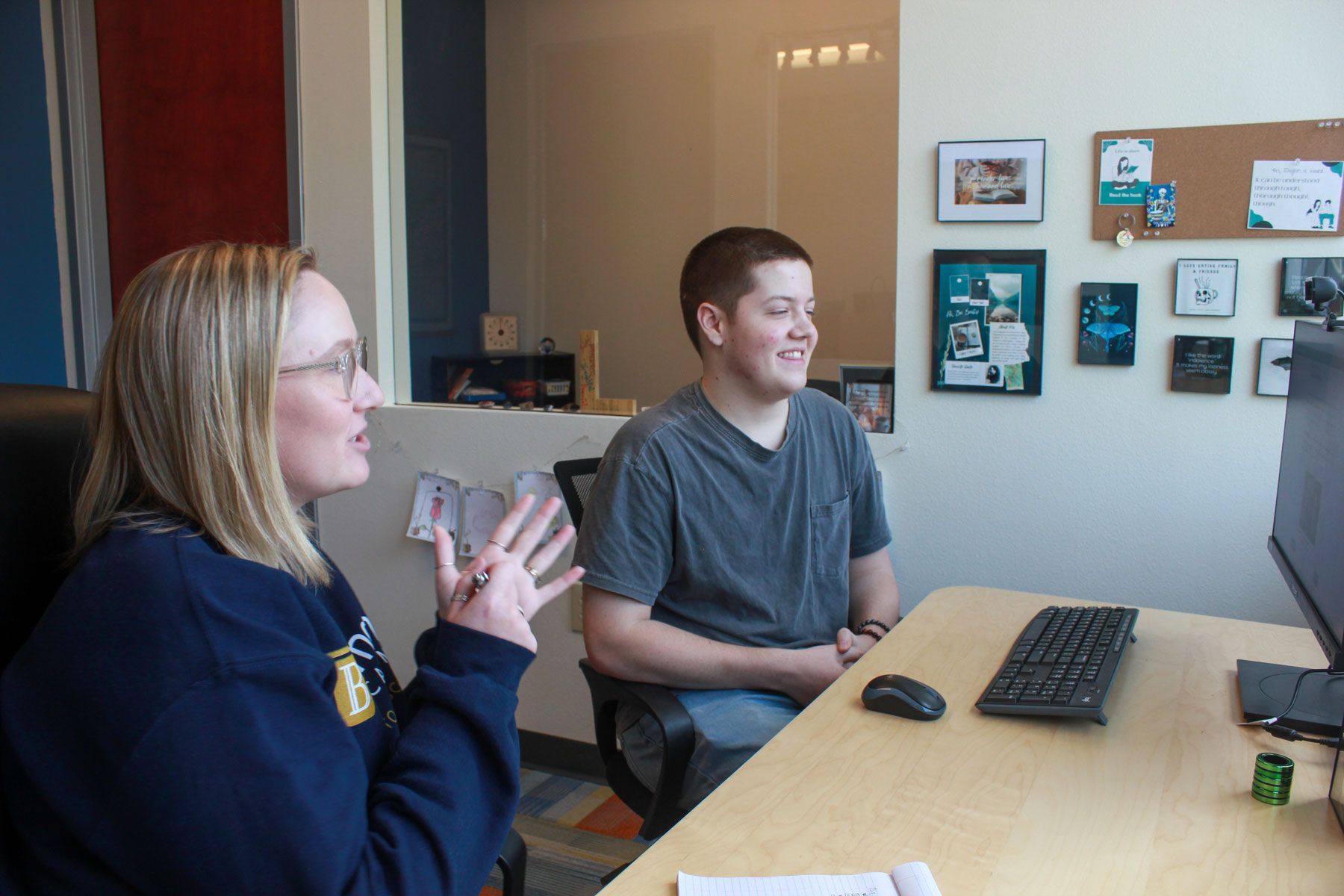
Being exposed to new ideas, then pondering, testing, and evaluating those ideas, is a healthy human practice. Such is the curious life.
“For children and adults alike, curiosity has been linked with psychological, emotional, social, and even health benefits,” says Emily Campbell, PhD, who specializes in how students develop morally, socially, and emotionally.1 Time and time again, the curiosity/classroom connection at Brightmont naturally results in the following positive outcomes:
Hard times are exactly that —”hard”— and the information above is not presented to minimize just how difficult things can get. What’s good to know, however, is there are organizations who are willing and capable to care and walk alongside families in crisis. Brightmont prides itself on being just that and, as evidence shows, is doing it well.
1 https://greatergood.berkeley.edu/article/item/six_surprising_benefits_of_curiosity

Barbara Farland is an English & Social Studies instructor at Brightmont Academy in Plymouth, Minn. She holds a master’s degree in Business Communication from the University of St. Thomas and, prior to pursuing a second career in education, worked as an award-winning public relations and communications professional in both the corporate and nonprofit sectors. As a “storyteller by nature and teacher at heart,” Barbara continues to contribute to various anthologies, among other writing projects.







“Brightmont gave my daughter
confidence and helped her love learning
again.”
– Parent of 8th grader

92% of Brightmont graduates are
accepted into their first-choice college

(888) 521-0887
To book a tour, talk to a campus director, or get a free consultation, please fill out the form.

©2026 Brightmont Academy®
