“Brightmont gave my daughter
confidence and helped her love learning
again.”
– Parent of 8th grader
400 E. Main St. Barrington, IL 60010
1-888-521-0887
inquiry@brightmontacademy.com
Say the word “dyslexia” and most people have heard of it—they may even be able to offer a basic explanation for it. At the same time, however, the same people are often unaware that there’s a whole family of learning difficulties called the “Four Ds.”
Considering this, do people really understand what dyslexia is? And what are the other three Ds? Read on to learn how they compare…

Dyslexia
Looking at any of the Four Ds is an exercise in word origins. They all share in common the prefix “dys-” meaning “difficulty,” but their root words allude to where the difficulty lies.
When it comes to dyslexia, the word has both Latin and Greek ties. “Lexia” is derived from the Latin word for “to read” and the Greek for “speech.” Thus, dyslexia is a condition concerning a person’s cognitive abilities around language, especially their competencies in reading and comprehension.
Many people believe that students with dyslexia just have problems with letters appearing out of order or backwards when they read. Though this might be the case for some, dyslexia may manifest in a variety of other ways. Some students don’t understand how sounds are blended to form words. Some students mistake one word for another (e.g., “bet” for “bit”). Some students really struggle with reading and pronouncing multisyllabic words. Put another way, dyslexia entails any kind of learning difference involving language.
Dysgraphia “Graphia” means “writing” in Greek, thus students who are diagnosed with dysgraphia experience difficulty with writing. While dyslexia is mostly about reading and comprehending words, dysgraphia is about putting words to paper.
Sure, there are some intellectual symptoms when it comes to dysgraphia: general grammar, spelling, and word usage might be a challenge. However, the tell-tale symptoms of dysgraphia tend to appear in a student’s fine motor skills. Letter shapes and sizes, line spacing, sentence structure—these and other writing elements might appear all askew.
Dyscalculia
Calculator. Calculus. You guessed it—dyscalculia has to do with numbers and math. The root “calculia” means “to count,” thus dyscalculia is the term used when basic mathematical operations are especially challenging for students.
What does dyscalculia look like? Students who have a hard time catching on to counting and understanding simple patterns might be showing signs of dyscalculia. Symbols and otherwise memorable math facts (e.g., 2+2=4, times tables) are also challenging to those with dyscalculia. It might also affect them into adulthood in very practical, day-to-day responsibilities, such as telling time, working with money, and managing their finances.
Dyspraxia
Finally, while the three Ds above present more intellectual challenges, dyspraxia is more noticeable in students’ physical abilities. They might simply be deemed “clumsy” or “uncoordinated” by the people in their lives, but dyspraxia can seriously affect their academic success.
Imagine the frustration of not being able to write and draw well—not to see much, if any, improvement in these areas as time goes on. Imagine struggling with depth perception, eye-hand coordination, and important skills needed to relate to the world around us. Imagine not being able to sit still. With all this considered, dyspraxia can indeed have a bearing on a student’s education and learning from year to year.

The Brightmont Difference
As a one-to-one private school, Brightmont Academy offers the atmosphere and attention that students with any of the four Ds need to succeed.
At Brightmont, customized curriculum based on best-in-class assessment tools takes into account how students can best learn given their specific neurodiversities. In addition, there are few distractions for both teachers and students, meaning frustrations and gaps are noticed and addressed quickly. And proven teaching methods and a positive school culture help ensure that students maintain pace and build confidence day after day, semester after semester, year after year.
This is the Brightmont difference and the reasons why those with dyslexia, dysgraphia, dyscalculia, and dyspraxia finally find their footing. Not only that, Brightmont students know they can have a bright future!
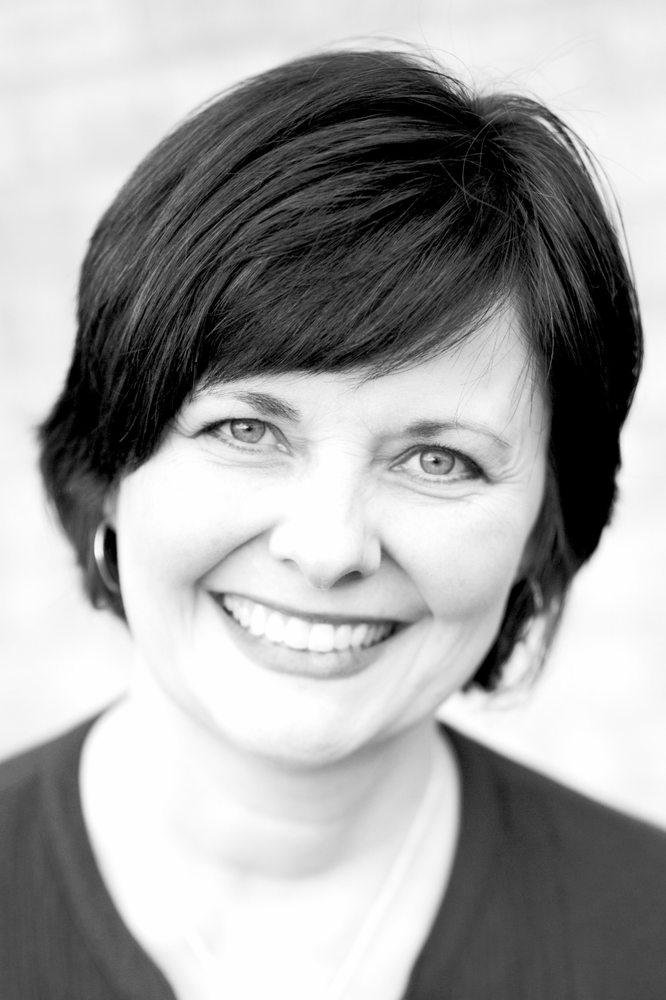
Barbara Farland is an English & Social Studies instructor at Brightmont Academy in Plymouth, Minn. She holds a master’s degree in Business Communication from the University of St. Thomas and, prior to pursuing a second career in education, worked as an award-winning public relations and communications professional in both the corporate and nonprofit sectors. As a “storyteller by nature and teacher at heart,” Barbara continues to contribute to various anthologies, among other writing projects.







“Brightmont gave my daughter
confidence and helped her love learning
again.”
– Parent of 8th grader

92% of Brightmont graduates are
accepted into their first-choice college

(888) 521-0887

To book a tour, talk to a campus director, or get a free consultation, please fill out the form.

©2026 Brightmont Academy®
