“Brightmont gave my daughter
confidence and helped her love learning
again.”
– Parent of 8th grader
400 E. Main St. Barrington, IL 60010
1-888-521-0887
inquiry@brightmontacademy.com
Parents of neurodivergent children soon discover they are not alone—not alone when it comes to other families who are walking the same path and not alone when it comes to all of the professionals available to help in a myriad of ways.
Other families often offer great empathy and camaraderie through the ups and downs of life. Regarding professionals, their necessity is also clear, but people generally have a lot of questions about their various roles. Just how many different kinds of professionals focus on neurodiversity? What do they all do? And which ones will be most effective in addressing the needs at hand? In other words, researching and assembling the right professional team might require a substantial amount of energy and time.
A good starting point? Become familiar with the professional categories involved with neurodivergent diagnoses—this first step will help ensure the eventual formation of a well-rounded team. There are three main categories to explore: medical, mental health, and educational/occupational.
Medical Professionals
The medical professionals category includes pediatricians, nurse practitioners, psychiatrists, and neurologists. They are most concerned with the physicality of neurodiversity in both diagnosing it and treating it through medication or other medical means. Psychiatrists specialize in determining if there are other conditions that need to be managed in tandem: depression, anxiety, etc. Neurologists get involved when the health of the brain and nervous system is in question.
It should be noted that pediatricians should be the first stop parents make when they suspect something needs professional evaluation. When such evaluation results in diagnoses of ADHD, autism, or another learning difference, pediatricians are good at suggesting other professionals who may be helpful as teammates going forward. Of course, as parents learn more about the nuances of their children’s needs, it becomes clearer which specific help to enlist and which to forego.
Mental health professionals
Mental health professionals include psychologists, social workers, and counselors. Like those in the medical field, mental health professionals are also trained to diagnose ADHD, autism, etc. However, instead of concentrating on neurodiversity’s physical effects, mental health professionals counsel and coach individuals and families around the emotional, behavioral, and relational challenges related to neurodiversity.
Depending on the situation, mental health professionals may recommend cognitive therapy, behavior therapy, or a combination of both. Cognitive therapy helps people examine, train, and manage their inner world: the thoughts, feelings, desires, motivations, etc., that shape their overall mental health. In contrast, behavior therapy focuses on what is happening on the outside both behaviorally and environmentally. Not surprisingly, more and more research shows that a combination of the two types of therapy yields the best results for people with learning differences.
Educational/occupational professionals
Teachers and occupational therapists make up the third category. In short, their role is all about learning and skill development. Such professionals are experts not only in what children should learn and accomplish at each age and stage, but also in the unique strategies that help neurodiverse kids learn and retain better. As with all of the professional relationships mentioned above, individual attention is key, making the option of Brightmont Academy—otherwise known as the “one-to-one school”—the obvious choice for so many families.
When it comes to the three professional categories, is it always so crystal clear who belongs where? Of course not. Take school psychologists, for instance, who are mental health practitioners who operate in educational environments. The most important thing is to try to enlist the very best support from across the spectrum no matter what bucket or buckets professionals fall into.
Working together
Finally, about the “team” part. Families maximize the impact of all of their resources when those resources work together.
That’s why so many families establish “integrated care” plans, which are also called “collaborative care” plans. Simply put, integrated care plans foster communication between all support professionals.
Integrated care plans are often initiated and managed by primary care providers, particularly as other medical and mental health referrals are pursued. However, families can request that their other therapists, as well as teachers, be looped into conversations around evaluations, decisions, and strategic interventions when appropriate. Again, the key word is “communication”—it’s a good idea to include and listen to all of the voices who may have meaningful insights and ideas.
So consider the information above as Neurodiversity Team-building 101—there is much more to explore on the topic. Whoever is on your team and however it is assembled, we wish you great success in rallying together around your children. Needless to say, we at Brightmont Academy are eager to join you in that effort and to be part of your team.
For further reading:
“Different professionals who help kids with ADHD,” Understood.com.
“How to Pick the Right ADHD Professionals for Your Child,” ADDitudemag.com
“How Collaborative Care Models Deliver Quality ADHD Care – Seamlessly,” Additudemag.com
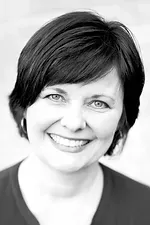
Barbara Farland is an English & Social Studies instructor at Brightmont Academy in Plymouth, Minn. She holds a master’s degree in Business Communication from the University of St. Thomas and, prior to pursuing a second career in education, worked as an award-winning public relations and communications professional in both the corporate and nonprofit sectors. As a “storyteller by nature and teacher at heart,” Barbara continues to contribute to various anthologies, among other writing projects.








“Brightmont gave my daughter
confidence and helped her love learning
again.”
– Parent of 8th grader

92% of Brightmont graduates are
accepted into their first-choice college

(888) 521-0887
To book a tour, talk to a campus director, or get a free consultation, please fill out the form.

©2026 Brightmont Academy®
